Welcome to the Research Capability Hub
Connecting UK social scientists to trusted research training and resources.
Coming Summer 2026
The Research Capability Hub is a new national hub where UK social scientists and training providers can easily find and share trusted research training at any career stage. It will connect users to quality courses and resources, making research skills development simpler and more visible.
Subscribe to our newsletter and keep up-to-date on our latest developments:
Latest Developments
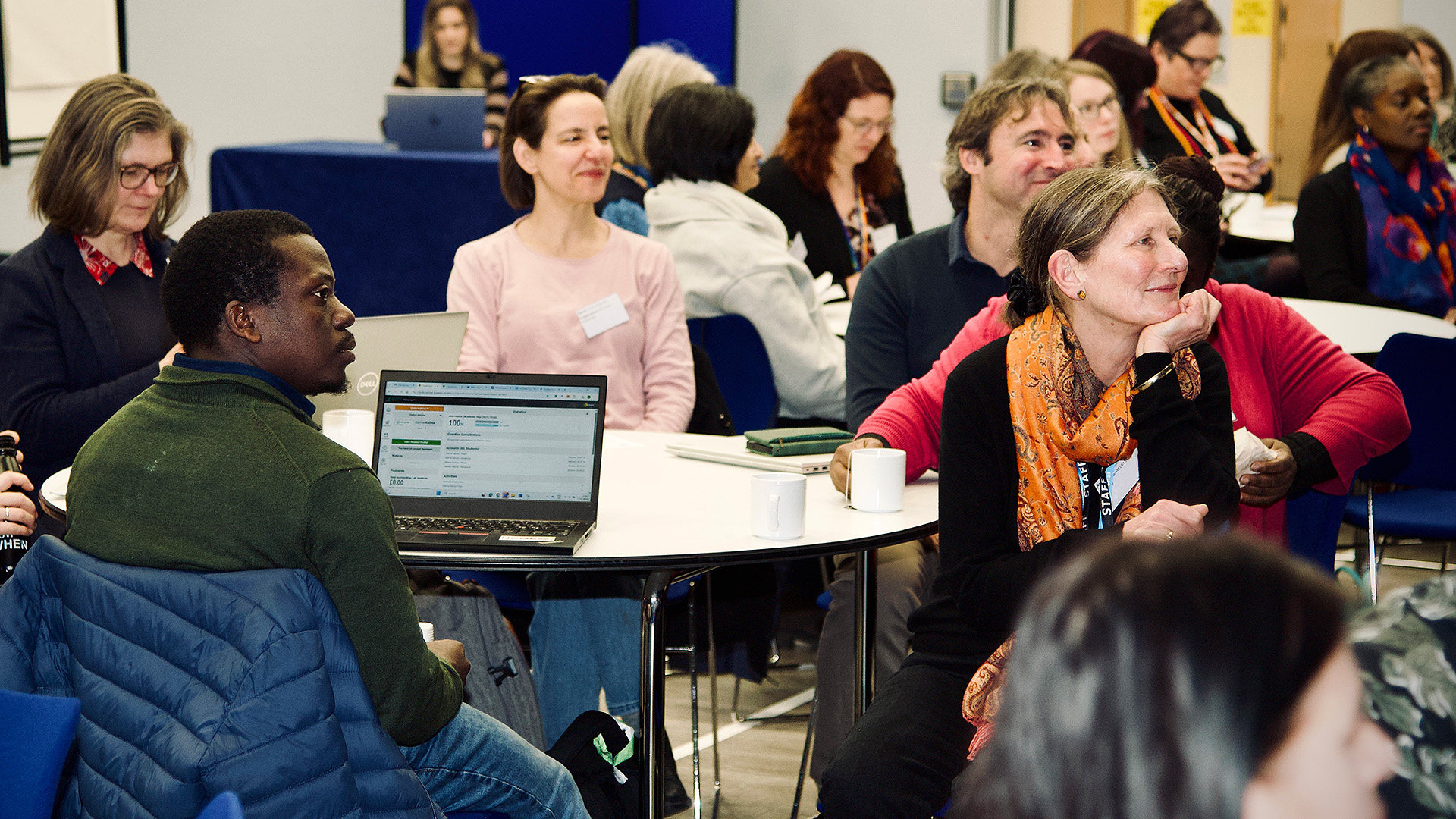
Researchers and stakeholders help to shape new Hub
The Research Capability Hub launch brought together researchers and stakeholders to shape the Hub's development.
Through keynotes and parallel sessions, attendees identified training gaps, reviewed the prototype website, and discussed delivery and recognition. Key themes included AI skills, flexible learning pathways, and quality assurance, with strong appetite to contribute and stay engaged.

The Research Capability Hub announces new Flexible Fund opportunity.
Great ideas can be halted by lack of money. We introduce the Flexible Fund as a way to help providers develop resources for social scientists.
March 2026
The Social Research Association introduction to the RCH.
The SRA publish a monthly report. Read their article on the Research Capability Hub.
The Research Capability Hub (RCH) is a new programme, funded by the ESRC, to deliver training and create a community of practice that will build the capacity of social science researchers in the UK. RCH aims to support these researchers by bring together a diverse range of stakeholders, including across different disciplines, career stages and sectors, to meet the training and developmental needs of the UK’s social science researchers. We will do this by using Open University’s (OU) existing and innovative online platforms and infrastructures.
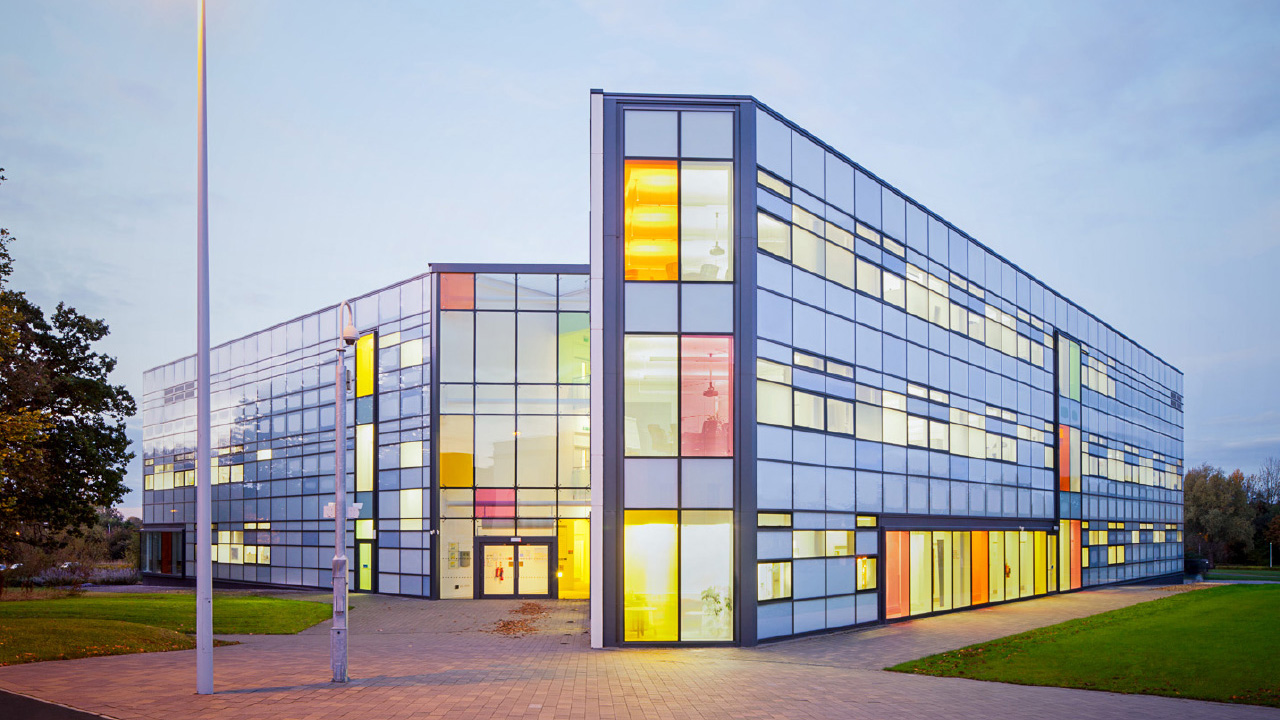
UKRI economic and social research council funds research capability hub.
OU awarded £4.9M ESRC funding to lead national research skills hub for social scientists.
The Open University has been awarded £4.9 million by the UKRI Economic and Social Research Council (ESRC) to lead a new Research Capability Hub—a five-year initiative to transform research skills development in the social sciences.
This major investment places the OU at the forefront of reshaping how research training is delivered across academia, government, business, and the third sector. The Hub will support researchers at all career stages through scalable, co-created, and personalised learning, using the OU’s innovative platforms like OpenLearn Create.
Flexible Fund
The RCH Flexible Fund supports eligible organisations to develop innovative training, community-building, and research projects that address gaps in social science capacity building.
What the fund does
The Flexible Fund supports the co-creation, development and delivery of high-quality training and capacity-building activities for the research community.
It is designed to enable collaboration between researchers, institutions and partners to address identified skills gaps, develop innovative approaches to training, and respond to emerging needs across the social sciences. The fund plays a key role in ensuring that the Research Capability Hub remains responsive, inclusive and relevant to its users.
Funded activities will contribute to the Hub's overall objectives, including enhancing research capability, supporting diverse career pathways, and strengthening collaboration across sectors.
What the fund will and won't support
The fund will support:
- Co-created training and capacity-building activities
- Development or adaptation of existing training resources
- Pilot or innovative approaches to skills development
- Collaborative projects involving multiple partners or sectors
- Activities aligned with identified capability gaps or priority areas
The fund will not support:
- Standalone research projects
- Activities not aligned with the Hub's objectives
- Duplicate provision where suitable training already exists
- Purely institutional or internal initiatives without wider benefit
- Costs that fall outside agreed funding parameters (e.g. core staffing not directly related to delivery)
All funded activity must demonstrate clear value, relevance and potential for impact.
Who can apply
The Flexible Fund is open to individuals and organisations involved in social science research and training.
Applicants may include:
- Researchers at all career stages
- Higher education institutions
- Research organisations and networks
- Third sector and public sector organisations
- Other stakeholders with a role in research capability development
Collaborative applications are strongly encouraged, particularly those that bring together different sectors, disciplines or perspectives.
Researcher categories
To ensure the fund supports the full research pipeline, applications are expected to consider one or more of the following researcher groups:
- Early Career Researchers (ECRs): including doctoral candidates and researchers in the early stages of their careers
- Mid-Career Researchers: developing independence, leadership and methodological expertise
- Established Researchers: including those seeking to expand skills, adopt new methods or support others
- Technical and Professional Staff: including those supporting research delivery and infrastructure
- Non-academic partners: including practitioners, policymakers and third sector professionals engaged in research activity
Applicants should clearly identify their target audience and how their proposal meets their needs.
Timeline
The Flexible Fund will operate through a series of funding calls aligned with the Research Capability Hub delivery cycle.
Each call will include:
- A call launch and guidance publication
- An application window
- Assessment and decision period
- Notification of outcomes
- Project delivery phase
Exact dates will be published for each funding round. Applicants are encouraged to plan ahead and engage early where possible.
The fund will align with broader Hub reporting and delivery timelines, ensuring that funded activities contribute to overall programme milestones and impact monitoring.
How to apply
Applications to the Flexible Fund will be submitted through an online process.
Applicants will be asked to provide:
- A clear description of the proposed activity
- Objectives and intended outcomes
- Target audience and engagement approach
- Delivery plan and timeline
- Budget and justification
- Evidence of collaboration (where applicable)
All applications will be assessed against agreed criteria, including relevance, quality, feasibility, collaboration and potential impact.
Further guidance, templates and support materials will be made available ahead of each funding call. Applicants are encouraged to engage with the Hub team if they have questions or wish to discuss their proposal in advance.
Get Involved
Get involved in our engagement activities
Engagement activities
The Research Capability Hub (RCH) is building a vibrant co-creation community that evolves in response to the needs of researchers and ESRC priorities.
We invite you to take an active role in shaping this community. By participating in our engagement activities, you can help influence how we gather insight, share knowledge, and identify priorities for training and capability development.
Our approach combines open discussion with structured methods to ensure that a wide range of perspectives is captured and translated into meaningful action. Two core approaches (Evidence Cafés and Q-Methodology) provide opportunities to contribute your experience, connect with others, and make your voice heard.
Whether you are a researcher, practitioner, or partner organisation, your input is central to the success of the Hub.
Evidence Cafés
Evidence Cafés are structured, interactive discussions designed to bring together diverse perspectives on complex topics.
They create a space where:
- Researchers can explore how evidence informs practice
- Practitioners can share real-world insights and challenges
- Participants can collectively identify gaps, priorities and opportunities
This approach has been used across a wide range of contexts, including policing, education and government, and in international settings across Europe, Africa and Asia. Topics have included organisational learning, policy development and gap analysis.
RCH's first Evidence Café took place at the launch event in January 2026. Insights from this session are already shaping future Hub activity, including our next phase of engagement.
Q-Methodology
Q-Methodology is a structured approach used to understand different perspectives on a topic.
Participants are invited to rank a set of statements based on their views. These responses are then analysed to identify shared viewpoints, highlighting both areas of agreement and difference across the community.
This approach enables the Hub to:
- Build an evidence-based understanding of community priorities
- Identify distinct perspectives across stakeholder groups
- Inform the design of training, resources and funding activities
Our first Q-Methodology activity will take place in June 2026 and will involve targeted stakeholder engagement.
Stay involved
We encourage you to stay connected and take part in upcoming activities.
- Join our mailing list for updates and event invitations
- Check this page regularly for new opportunities to get involved
- Contact the Hub team to express interest or ask questions
Your contribution will help shape the future direction of the Research Capability Hub.
About the Hub
As a cross-provider hub, we offer a single, trusted place to explore curated training. Our digital infrastructure enables personalised, scalable, and evidence-informed learning pathways that help researchers learn, connect, and apply skills to address complex societal challenges and inform evidence-based policymaking.
Who we are
The Research Capability Hub (RCH) is a UK-wide initiative designed to build research capability in the social sciences and to coordinate and simplify access to high-quality Training and Capacity Building (TCB) resources. Led by The Open University and supported by PolicyWISE’s UK-wide engagement, we are developing a personalised, scalable, and co-designed approach to research training - helping researchers at all career stages to learn, connect, and innovate.
Our mission
The Research Capability Hub’s mission is to strengthen UK social science research by simplifying access to training and capacity building resources, fostering co-created learning pathways, and communities of practice. Through learning platforms, policy-linked collaboration, and sustainable digital solutions, we enable researchers to learn, connect, and innovate for long-term impact.
What we do
We curate and connect high-quality training, tools, and communities, bringing together the best of UK social science training and capacity building into a coherent, user-centred experience. Our work focuses on:
-
Discoverability
Streamlining access to TCB opportunities, resources, and communities of practice.
-
Personalised learning
Enabling researchers to navigate co-created pathways tailored to skills, methods, domains, roles, and career stages.
-
Collaboration at scale
Convening partners across institutions, learned societies, and policy communities to co-design content and share expertise.
-
Open and sustainable delivery
Building an accessible, digital-first infrastructure that can evolve and endure.
Our values
Our values guide how we design and deliver training, how we collaborate with partners and participants, and how we measure impact. They ensure that our work remains open, rigorous, and responsive to the evolving needs of researchers and the real-world challenges they address.
-
Inclusivity
We champion equal access to training and resources for every social science researcher.
-
Collaboration
We build partnerships and co-create training and resources with stakeholders to share ownership and expertise.
-
Accessibility
We provide open, flexible learning opportunities that fit diverse needs and schedules.
-
Innovation
We embrace digital tools and creative approaches to transform research capacity building.
-
Sustainability
We co-design enduring models, courses, and TCB resources that deliver long-term benefits and impact.
-
Impact
We align training with real-world research priorities and policy needs to create meaningful change.
How we work
-
Technology-enabled personalisation
Using the Open University’s digital capabilities to surface relevant training, map progression, and recognise achievement.
-
Co-design with the community
Engaging researchers, institutions, professional services, and policy makers through PolicyWISE to shape content and pathways that reflect national needs.
-
Communities of practice
Nurturing peer-to-peer learning, mentoring, and knowledge exchange to sustain skills and collaboration over time.
-
Standards and quality
Gathering, evaluating, monitoring and reporting to our community and stakeholders to ensure that TCB are aligned with best practice and emerging priorities.
The Team
Leadership

Bart Rienties

Carina Bossu
Paul Walley
Dewi Knight

Helen Selby-Fell

Elizabeth FitzGerald
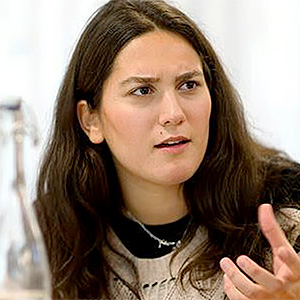
Duygu Bektik
Academic team
Professional services team
- Franziska Florack (Senior Hub Manager)
- Lauren Lupton (Hub Manager)
- Farina Sikander (Hub Administrator)
- Kevin McLeod
- Richard Greenwood
- Peter Devine
- Greg Roach
Our funder
The Open University has been awarded £5 million in funding from the Economic and Social Research Council (ESRC) to establish and run the Research Capability Hub. This funding will support the launch in 2026 and enable continued development over the following four years, to 2030.
Our partners
Led by The Open University, the Hub is delivered in collaboration with:
Contact the Hub
We welcome enquiries from potential providers, social scientists, policy professionals, and members of the public with an interest in the Research Capability Hub.

General Enquiries

Press & Media

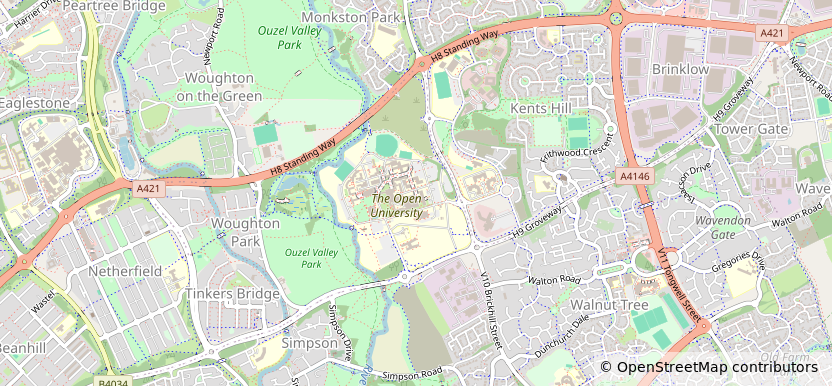
Campus Map

Research Capability Hub
Institute of Educational Technology
The Open University
Walton Hall Milton Keynes, MK6 7AA
United Kingdom

By rail
The MK campus is about four miles from Milton Keynes Central railway station on the West Coast Main Line between Birmingham and London Euston.

By road
The MK campus is at Walton Hall, Milton Keynes, MK7 6AA (off the V10 Brickhill Street), about five miles from the M1 (Junction 14).
Accessibility statement
Introduction
The Open University is committed to making its websites and mobile applications accessible, in accordance with the Public Sector Bodies (Websites and Mobile Applications) (No. 2) Accessibility Regulations 2018.
This accessibility statement applies to the rch.ac.uk website.
We want as many people as possible to be able to use our websites and mobile apps, and accessibility is an essential part of our mission. On our Accessibility hub, you'll find everything you need to answer any questions you have about accessibility, whether you're a student or a member of staff.
To adapt the content to your needs or preferences you should be able to:
- Change colours, contrasts levels and fonts.
- Resize text up to 200% without impact on the functionality of the website.
- Zoom in up to 400% without loss of information or functionality.
- Navigate the website using just a keyboard.
-
- tab to 'Skip to content' links at the top of the page to jump over repetitive information to the main content.
- tab through the content; the current location will be indicated by a clear visual change.
- control the embedded media player to play audio and video materials.
- Use a screen reader (e.g. JAWs, NVDA) to:
-
- listen to the content of web pages and use any functionality on the page.
- list the headings and subheadings in the page and then jump to their location on the page.
- bring up a list of meaningful links on the page.
- Use transcripts or closed captions with most audio and video materials.
- AbilityNet also provides advice on making your device easier to use if you have a disability.
Compliance status
This website is partially compliant with the Web Content Accessibility Guidelines version 2.2 AA standard, as only basic accessibility testing has been conducted.
Preparation of this accessibility statement
This statement was prepared on 16th March 2026.
This statement was last reviewed on 16th March 2026.
This website was last tested on 16th March 2026. The tests were carried out by the Learning and Teaching Technologies team from the Institute of Educational Technology at the Open University on a sample of pages from the website. The pages were chosen to be representative of different types of content present on the site. Each sample page was tested against all of the WCAG 2.1 AA criteria using a combination of manual and automated test methods. Test methods included:
- Keyboard-only testing
- Axe browser extension for Chrome
Feedback and contact information
If you find that a certain section of our website is not accessible and you can't get access to the information that you need please use the Open University Accessibility Feedback Form to request support and we will ensure that you are provided with the information you require. You will need to provide your contact details and Personal Identifier if you are a student so we can get back to you. You should expect to hear back from us within 5 working days.
The OU is very experienced in meeting accessibility needs for our students. In many cases we are able to provide module and other study support materials in alternative formats for students who indicate a need for this when completing a Disability Support Form.
In addition, some module materials are available in different formats and can be downloaded from module websites. Students can contact their Student Support Team for advice.
If you are a student, or someone who has had contact with the University before, and have a complaint about the accessibility of our websites, you should raise a complaint via the complaints and appeals process.
Enforcement procedure
The Equality and Human Rights Commission (EHRC) is responsible for enforcing the Public Sector Bodies (Websites and Mobile Applications) (No. 2) Accessibility Regulations 2018 (the 'accessibility regulations').
If you are based in the UK, and you're not happy with how we respond to your complaint, contact the Equality Advisory and Support Service (EASS).
The Research Capability Hub launch event
The Research Capability Hub launch brought together researchers and stakeholders to shape the Hub's development. Through keynotes and parallel sessions, attendees identified training gaps, reviewed the prototype website, and discussed delivery and recognition. Key themes included AI skills, flexible learning pathways, and quality assurance, with strong appetite to contribute and stay engaged.
Introduction
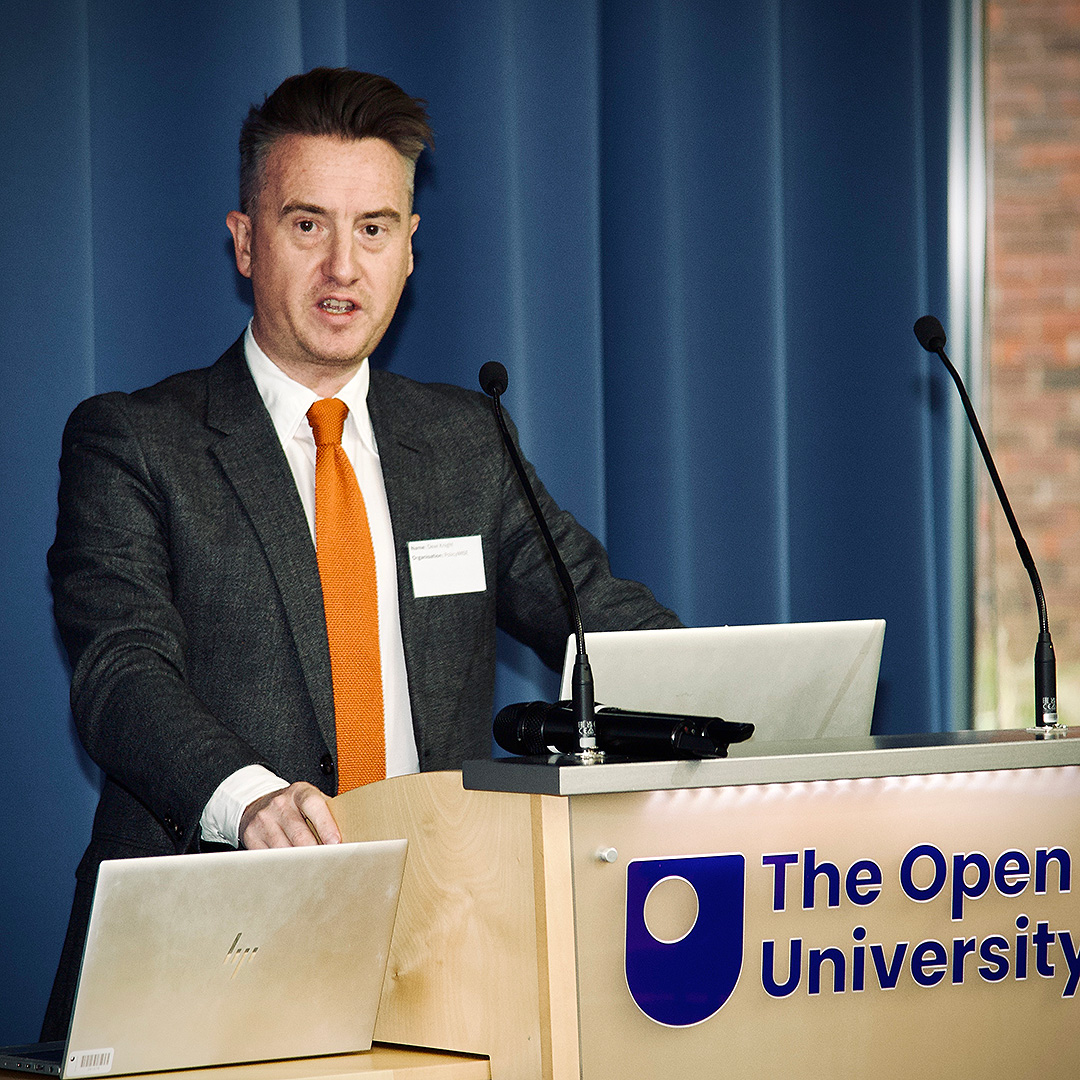
Dewi Knight, founding Director of PolicyWISE, opened the event and introduced the Research Capability Hub (rch.ac.uk). Keynote speeches followed from Professor Mark Brandon (Pro Vice-Chancellor for Research and Innovation), who contextualised the Hub's importance across the Four Nations, and Professor Alison Park (Deputy Executive Chair of the ESRC), who outlined ESRC's strategic approach to research capability. Professor Bart Rienties, RCH Lead and IET Director, then shared his vision for the Hub and how social scientists and training providers could contribute.
Parallel Sessions
Attendees participated in four parallel sessions — two in the morning and two in the afternoon. The afternoon sessions followed a keynote from Vice-Chancellor Professor David Phoenix, who highlighted coordinated capacity-building in strengthening research ecosystems.
Parallel Session 1
Led by Dr Carina Bossu, Dr Helen Selby-Fell and Dr Linda Bradley, this session used an Evidence Café methodology to gather stakeholder insights on RCH priorities. It focused on identifying emerging research skills needs and training gaps in social science. Both in-person and online participants took part, with online facilitation from Dr Beck Pitt, Dr Paul Walley and Lauren Lupton.
Activity 1 – Researcher Skills Needs
Participants were presented with existing evidence and asked to reflect on three questions:
- What are the most important research skills for social scientists?
- What research skills are missing from this list?
- What are the skills that might not be relevant?
Summary of findings
Data was collected via audio recordings, flip charts, and a Padlet for online participants. After 15 minutes of discussion, each table reported back key points. A summary follows:
Which skills are the most important?
AI skills were the clear priority — including ethical use, prompt crafting, and application across research stages. Other priorities included co-creation with participants, interdisciplinary collaboration, knowledge translation, and project pipeline skills. One participant advocated for foundational skills (communication, teamwork) over buzzwords, referencing the British Academy's 8 core social science skills framework.
What research skills are missing?
Communication and knowledge translation were flagged as absent. Big data and quantitative skills were identified as a gap, with concern that researchers avoid these methods due to perceived difficulty. Online content development was also raised as missing, particularly for those wanting to create their own training.
What are the skills that might not be relevant?
Personal effectiveness skills (e.g. time management, writing) were seen by some as better suited to HR or university support units. Others contested this, arguing that writing is central to research bids and reports, and that interpersonal skills matter greatly when collaborating across sectors.
Activity 2 – Gaps in Training Provision
Participants reviewed evidence from the Workstream 3 (Delivery) team on gaps in social science training provision and discussed two questions:
- Do these findings resonate with your experience? Why?
- What are the gaps in training provision beyond what we found?
Summary of findings
Data was collected via audio recordings, flip charts, and a Padlet for online participants. Each table reported back after 15 minutes of discussion. A summary follows:
Do these gaps resonate with your experience? Why?
Participants broadly agreed with the identified gaps. The mixed methods gap was widely recognised, though noted as poorly understood in practice. The AI/computational skills gap was validated, with one participant suggesting these overlapping areas could be treated as a single cluster. The creative and arts-based methods gap resonated strongly — such training is largely held by expensive private providers. The decolonial and anti-racist methods gap was confirmed, with one organisation actively seeking such training. On advanced training, participants also stressed the equal importance of foundational provision. The face-to-face delivery gap was contested — some questioned it given existing DTP provision, while others argued complex methodologies can be taught effectively online.
What are the gaps in training provision beyond what we found?
Participants identified several additional gaps: secondary trauma and trauma-informed research methods (raised by two participants independently), communication and language skills including unbiased question framing, public engagement in research design, and inclusivity more broadly.
Parallel Session 2
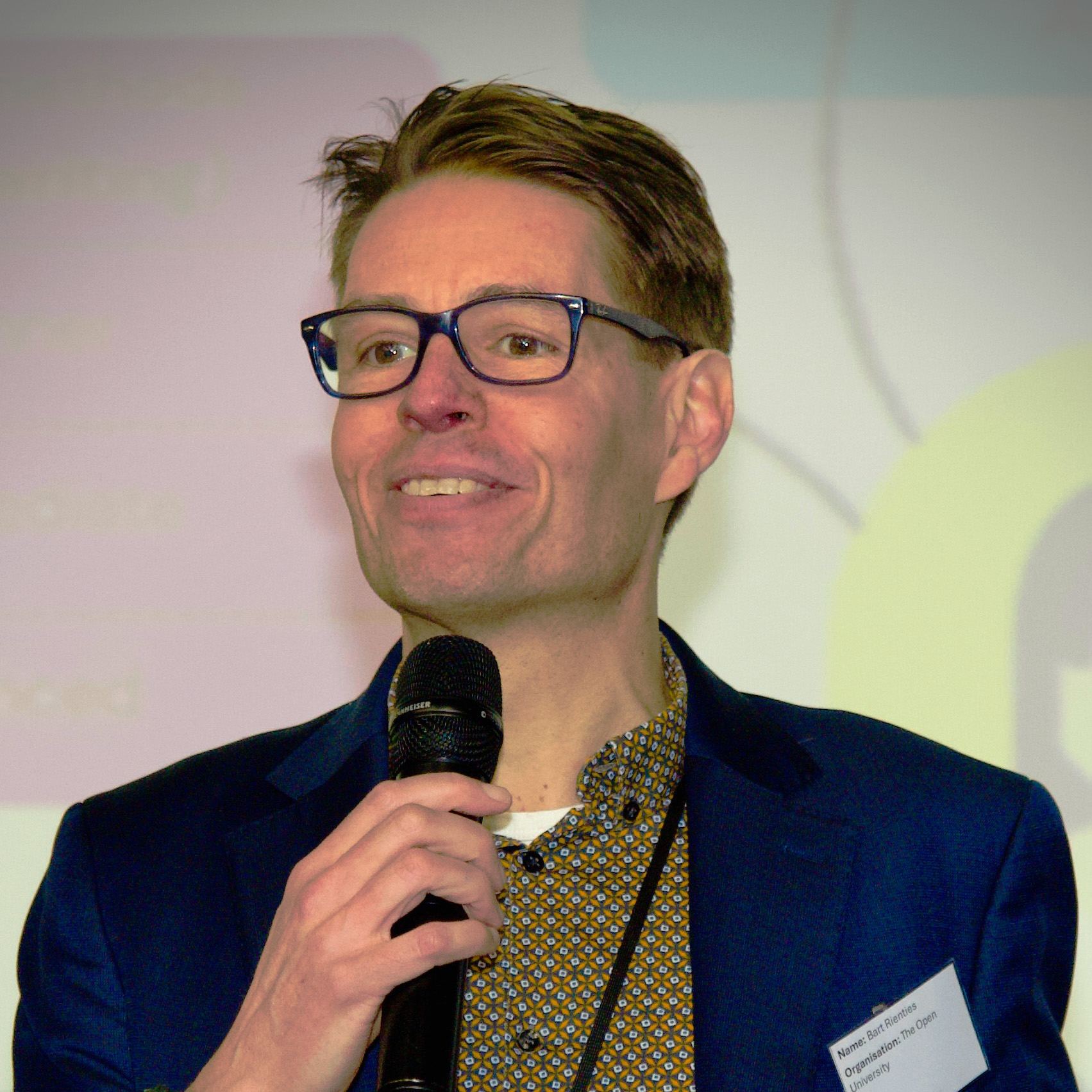
Led by Prof Bart Rienties and Kevin McLeod, this session explored how colleagues could contribute to and benefit from the Hub, while gathering feedback on an early prototype of the RCH website. The technical team outlined their agile development approach and demoed the site, which contained 179 resources from NCRM across 25 providers. Activity 1 involved small group reflection on the website; Activity 2 was addressed as a brief whole-group discussion.
Activity 1 – Reflection on Hub Website Design and Functionality:
Participants asked for clearer articulation of the Hub's target audiences — whether for PGRs, supervisors, or the wider research community — and called for differentiated user pathways rather than a single journey.
There was strong pushback against a linear, step-based progression model. Participants stressed that researchers have "squiggly careers" and need flexible structures. An alternative three-tier framework was proposed: induction (basic skills), mentoring (holistic development), and coaching (targeted gaps such as impact).
Quality assurance was a key concern: who determines resource quality, how should duplicate content be handled, and how will resources stay current? Participants also recommended aligning to the Vitae Researcher Development Framework and extending scope beyond academia to include impact, policy, and community research.
Activity 2 – What Would Deliver the Greatest Value (whole-group discussion):
Participants highlighted the Hub's potential to offer far broader training options than any single institution. They emphasised the long-term value of cross-institutional collaboration through shared analytics to reduce duplication and reveal emerging patterns. Questions arose around IP, Creative Commons licensing, and whether paid content would sit alongside free resources.
The role of AI in discovery was discussed, with participants valuing institutional curation over generic AI search. A suggestion was made to integrate training needs analysis tools to match learners to relevant resources. Practical questions about launch timelines (spring for initial version, September for fuller release) and content submission processes were also addressed.
Key outcomes:
The strongest message was that flexible, non-linear discovery should replace rigid step-based progression.
The Hub must define its role as a signposting service rather than a learning management system.
Robust quality assurance, clarity around IP and licensing, and alignment with existing researcher development frameworks are essential to building trust.
Participants were enthusiastic about the Hub's potential as a community-driven "shop window", and several providers expressed interest in contributing content.
Parallel Session 3
Led by Dr Carina Bossu, Dr Helen Selby-Fell and Dr Sara Shinton, this session built on Session 1 to co-create understanding of social science training provision, target groups, modes of delivery, and the role of EDI. Online facilitation was provided by Dr Beck Pitt, Dr Saraswati Dawadi and Lauren Lupton.
Activity 1: Identifying Learner Needs
Participants discussed two questions:
- What types of support do learners need? Are there any groups that should be prioritised?
- What barriers to EDI can be addressed through the Hub?
Summary of findings
Data was gathered via audio recordings, flip charts, and a Padlet for online participants. Each table reported back after discussion. A summary follows:
What types of support would learners require? Are there any target groups that should be prioritised?
Participants called for a mix of asynchronous and synchronous, online and face-to-face delivery. Priority groups included PGRs (variably supported across institutions), research supervisors needing updates on emerging skills, and the voluntary and community sector, seen as significantly underserved. Suggested provision included hands-on methodological workshops, interdisciplinary approaches, scenario-based projects, and mentorship. Learner personas and pathways — organised by level or role — were proposed as an effective structuring approach.
Are there any barriers to EDI that can be addressed here?
Three key barriers were identified: unequal access to face-to-face training (excluding those in remote locations, with caring responsibilities, or disabilities); disability access in both physical and online settings; and cost, flagged as a major barrier for students and those in the voluntary sector or government, where training budgets are limited.
Activity 2: Mode and Style of Delivery and Recognition of Learning
Participants were asked to discuss:
- What works in terms of delivery, and what are current and future challenges?
- What is the best way to recognise learning at different career stages?
Summary of findings
Responses were captured via recordings, images, flip charts, and a Padlet for online participants. Each table reported back. A summary follows:
From your experience, what mode and style of delivery would work best? Are there any current and future challenges?
There was broad consensus that a blended approach works best. In-person sessions foster community and peer critique; online provision offers flexibility and accessibility. Demand for face-to-face was seen as driven largely by social connection rather than learning preference, and well-designed asynchronous training was valued. Participants noted that non-academic learners — particularly in government and the voluntary sector — tend to prefer online delivery. Key challenges included the resource burden of maintaining asynchronous content and the risk of a one-size-fits-all approach failing diverse learners.
What would be the best way to recognise learning and skills at different stages in researchers' careers?
Participants favoured a tiered, portfolio-based approach: micro-credentials and digital badges for early-career researchers; professional certifications for mid-career; and leadership awards for senior researchers. Strong support emerged for credentials backed by major bodies such as UKRI or the British Academy. Narrative CVs were also mentioned as a way to integrate professional development tracking.
Parallel Session 4
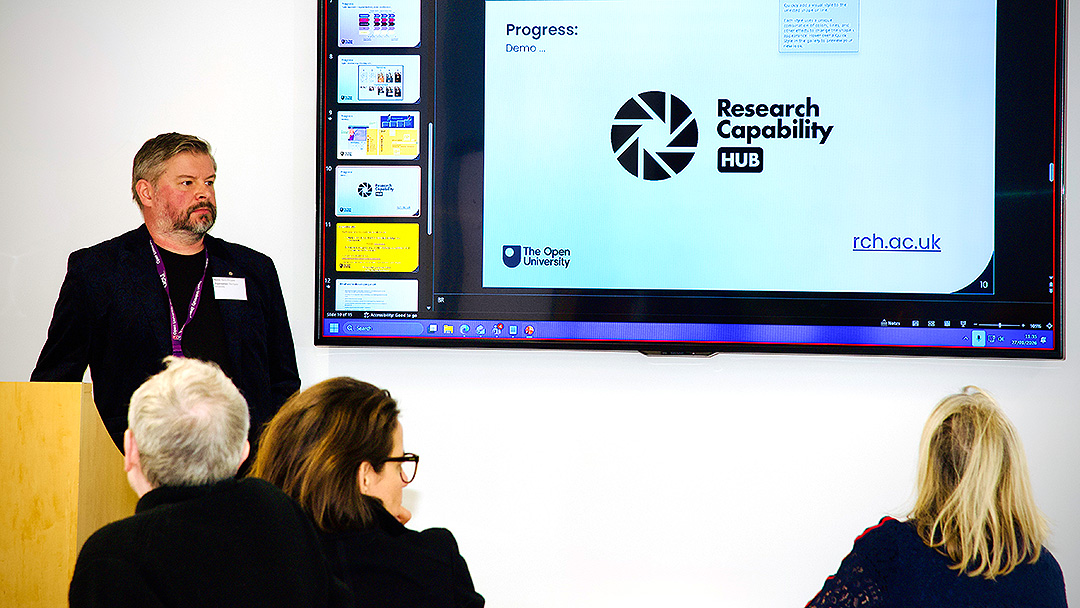
Led by Dr Duygu Bektik, Dr Paul Walley and Kevin McLeod, this session showcased OpenLearn Create and explored how participants might use it for co-creation and sharing training through the Hub. It covered the RCH Flexible Fund, an introduction to the platform, a police skills training case study, and group activities.
Activity 1 – Experience Check-In: A poll revealed very few participants had used OpenLearn, and awareness of its 2,000+ free courses was low even among UK university staff. Content development experience was largely limited to OU academics. Several participants expressed interest in contributing content, with early ideas including postgraduate research methods modules and accessible resources.
Activity 2 – Reflection on the Case Study: Participants were struck by the preparation and evaluation built into the case study. Concerns about quality assurance were addressed — all published content undergoes a QA process. A significant discussion emerged around business model tensions: providers may be reluctant to share content that undercuts their commercial offer, and a "freemium" model was suggested. Academic incentives were also raised, with colleagues potentially prioritising papers over course development. Presenters confirmed that learning design support would be offered to Flexible Fund bidders, and highlighted OpenLearn Create's scalability and global reach.
Key outcomes:
The session confirmed low awareness of OpenLearn Create and genuine appetite for contributing content. Engaging commercial providers will require careful navigation of open access and sustainability considerations. Several participants left with concrete contribution ideas and were already in conversation with the team.
Evaluation
Feedback was highly positive. We received 19 survey responses (10% response rate), comprising 12 Likert scales and 10 open-ended questions. 72% of respondents said the day clearly introduced the Hub and gave them a genuine sense of how they could contribute. Understanding of the Hub increased significantly, with 79% reporting a very clear or extremely clear understanding of its purpose. Parallel sessions were highly rated for relevance and facilitation.
The main area for improvement was online facilitation, particularly around breakout rooms, accessibility, and digital tools.
Feedback from the online survey included:
- 'Better coordination of online discussion.'
- 'Online groups to be able to speak - this helped engagement in the afternoon workshop.'
- 'Be wary of online participants and ensure activities designed are inclusive.'
- 'As someone with physical mobility problems I found the online experience not very fluid and often frustrating in terms of accessing documents and contributing.'